3/8 Full Pitch vs. 3/8 Low Profile Chainsaw Chains: A Complete Technical Guide
- Share
- publisher
- OO POWER
- Issue Time
- Aug 21,2026
Summary
For B2B buyers, distributors, and professional operators in the outdoor power equipment industry, selecting the correct saw chain is a critical operational decision. The performance, safety, and longevity of a chainsaw depend heavily on the precise match between the chain, the guide bar, and the engine displacement. One of the most common sources of confusion—and costly procurement errors—is the distinction between 3/8” Full Pitch (3/8FP) and 3/8” Low Profile (3/8LP) chains.
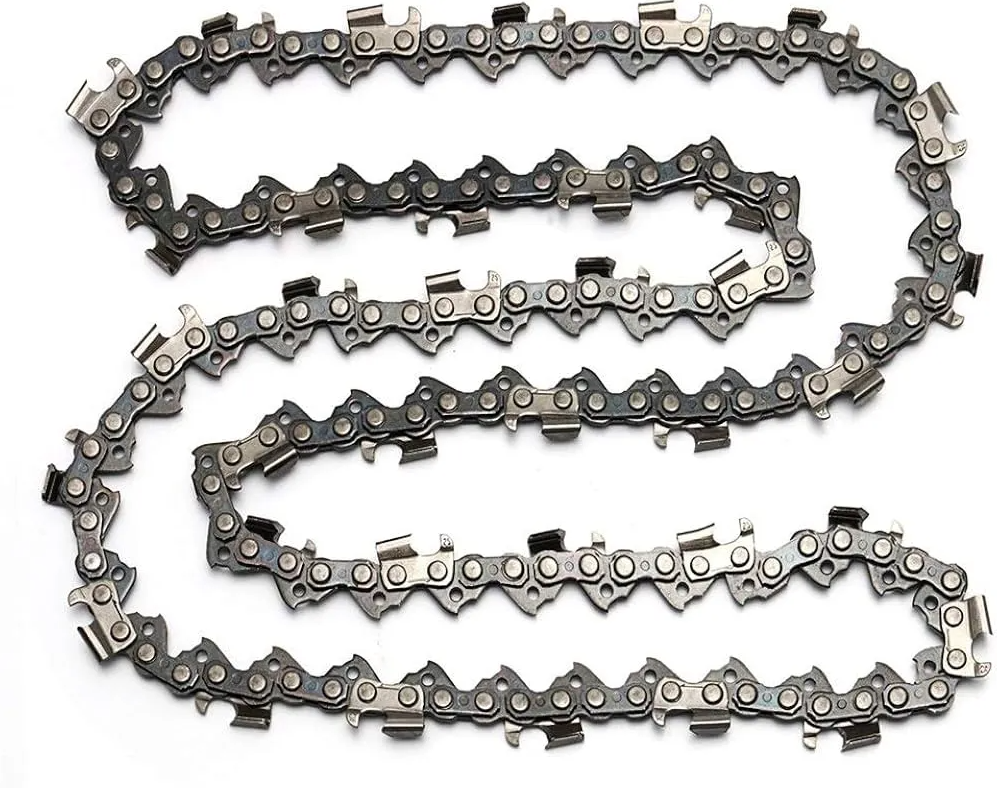
3/8FP vs 3/8LP Chainsaw Chain: Understanding the Critical Differences
When selecting a replacement chainsaw chain, precision is paramount. Even minor discrepancies in chain specifications can lead to poor cutting performance, accelerated wear, or severe safety hazards. One of the most common points of confusion for operators and purchasers is the distinction between 3/8" Full Pitch (3/8FP) and 3/8" Low Profile (3/8LP) chains. Despite sharing similar nomenclature, these two chain types are fundamentally different in their geometry, performance characteristics, and compatibility. This comprehensive guide will clarify the technical distinctions between 3/8FP and 3/8LP chains based on international industry standards.
What Is Chainsaw Chain Pitch?
Before comparing specific chain types, it is essential to understand how pitch is defined. According to international standards, chain pitch is the distance between any three consecutive rivets divided by two. This measurement dictates the size of the chain and determines its compatibility with the chainsaw's drive sprocket and the guide bar's nose sprocket. A mismatch in pitch will prevent the chain from seating correctly, leading to immediate mechanical failure and dangerous kickback risks.
3/8FP (Full Pitch) Chain: Detailed Specifications
The 3/8" Full Pitch (often referred to as Standard 3/8) chain features a true pitch measurement of 0.375 inches (9.525 mm). This chain type is characterized by a taller, more robust cutter profile and deeper drive links. It is designed to handle higher power outputs and heavier cutting loads.
- True Pitch: 0.375" (9.525 mm)
- Cutter Height: Typically taller, designed for aggressive cutting
- Power Requirements: Generally suited for chainsaws with engine displacements of 40cc to 90cc+
- Primary Applications: Professional logging, heavy-duty bucking, and felling large timber
The larger cutter profile of the 3/8FP chain allows it to take a deeper bite into the wood, resulting in faster cutting speeds in clean, softwood. However, this aggressive nature also requires more engine power to maintain optimal RPMs under load.
3/8LP (Low Profile) Chain: Detailed Specifications
The 3/8" Low Profile chain (commonly known as 3/8LP, Picco, or Low Kickback chain) has a distinctly different geometry. While it shares the "3/8" designation in its marketing name, its actual pitch is often closer to 0.325 inches (8.255 mm), or it features a significantly reduced cutter height and drive link depth compared to the full pitch version.
- Effective Pitch: Nominally 3/8", but actual rivet spacing is often ~0.325" (8.255 mm)
- Cutter Height: Significantly reduced profile
- Power Requirements: Optimized for smaller engines, typically 25cc to 45cc
- Primary Applications: Homeowner use, pruning, limbing, and light firewood processing
The primary advantage of the 3/8LP chain is its reduced kickback potential and lower vibration levels. The smaller cutter takes a shallower bite, making it safer and easier to control for less experienced operators. It also requires less engine power, preventing smaller motors from bogging down.
Key Differences Between 3/8FP and 3/8LP
To clearly illustrate the incompatibility and distinct characteristics of these chains, refer to the following comparison:
| Specification | 3/8FP (Full Pitch) | 3/8LP (Low Profile) |
|---|---|---|
| True Pitch Measurement | 0.375" (9.525 mm) | ~0.325" (8.255 mm) |
| Cutter Profile | Tall, aggressive | Low, streamlined |
| Kickback Risk | Higher | Significantly Reduced |
| Ideal Engine Size | 40cc - 90cc+ | 25cc - 45cc |
| Vibration Level | Higher | Lower |
| Cutting Speed (Softwood) | Very Fast | Moderate |
| Target User | Professional Loggers | Homeowners / Light Duty |
Can 3/8FP and 3/8LP Chains Be Interchanged?
Absolutely not. These chains are not interchangeable. Because the actual pitch and drive link dimensions differ, a 3/8LP chain will not properly engage with a 3/8FP drive sprocket, and vice versa. Attempting to force a mismatched chain onto a saw will result in the chain skipping teeth, derailing from the guide bar, and potentially causing catastrophic injury to the operator. Furthermore, the guide bar's nose sprocket is specifically manufactured to match the exact pitch of the intended chain type; mixing them will rapidly destroy the bar.
How to Identify Which Chain Type You Need
Always verify your chain specifications before purchasing. You can identify the correct chain using these methods:
- Check the Guide Bar Stamping: The guide bar will have the required pitch, gauge, and drive link count stamped into the metal near the mounting holes.
- Inspect the Drive Links: Many manufacturers stamp a specific identification mark or number on the drive links or tie straps indicating the chain type.
- Measure the Pitch: Measure the distance between three consecutive rivets and divide by two. If the result is exactly 3/8" (9.525mm), it is a Full Pitch. If it is significantly smaller, it is likely a Low Profile.
- Consult the Operator's Manual: The manufacturer's manual will list the exact approved chain specifications for your specific model.
Safety and Performance Considerations
Using the correct chain is a critical safety measure. Low Profile (3/8LP) chains are engineered with built-in kickback reduction features, such as guard links or ramped tie straps, which meet international safety standards for consumer-grade equipment. Full Pitch (3/8FP) chains prioritize cutting efficiency and are intended for operators who have been trained in professional chainsaw safety techniques. Always ensure your chain tension is correctly adjusted, your depth gauges are filed to the proper height, and your guide bar oiler is functioning correctly to maintain optimal performance and safety.
Buying Guide: How to Choose the Right Chain
When selecting a replacement chain, follow this decision framework:
- Match the Saw: Never override the manufacturer's specified pitch and gauge.
- Assess the Task: For heavy timber and professional use, 3/8FP offers superior speed. For pruning, limbing, and occasional use, 3/8LP provides better control and safety.
- Consider the Wood Condition: If cutting dirty, frozen, or abrasive wood, a Low Profile or Semi-Chisel variant will retain its edge longer than an aggressive Full Chisel 3/8FP chain.
- Verify All Three Parameters: Always confirm Pitch, Gauge, and Drive Link Count before finalizing a purchase.
Frequently Asked Questions (FAQ)
A: Yes. "Picco" is simply a proprietary trademark used by certain manufacturers to describe their 3/8 Low Profile chain. They are mechanically identical.
A: No. You cannot change the chain pitch without also changing the drive sprocket and the guide bar. Doing so is mechanically impossible and extremely dangerous.
A: This typically indicates that the chain is dull, installed backwards, or has the wrong pitch/gauge for the guide bar. Verify your specifications and sharpen or replace the chain.
A: The most common gauges for 3/8LP chains are 0.050" (1.3mm) and 0.043" (1.1mm), designed for lighter guide bars.
A: Chain tension should be checked before every use, and re-checked after the first few minutes of operation on a new chain, as new chains stretch rapidly during the break-in period.
Conclusion
Understanding the precise differences between 3/8FP and 3/8LP chains is fundamental to safe and efficient chainsaw operation. While both serve vital roles in the forestry and arboriculture industries, they are engineered for entirely different applications. By adhering to international standards, correctly identifying your equipment's specifications, and never attempting to interchange incompatible components, you can ensure maximum productivity, prolong the life of your equipment, and most importantly, maintain a safe working environment.